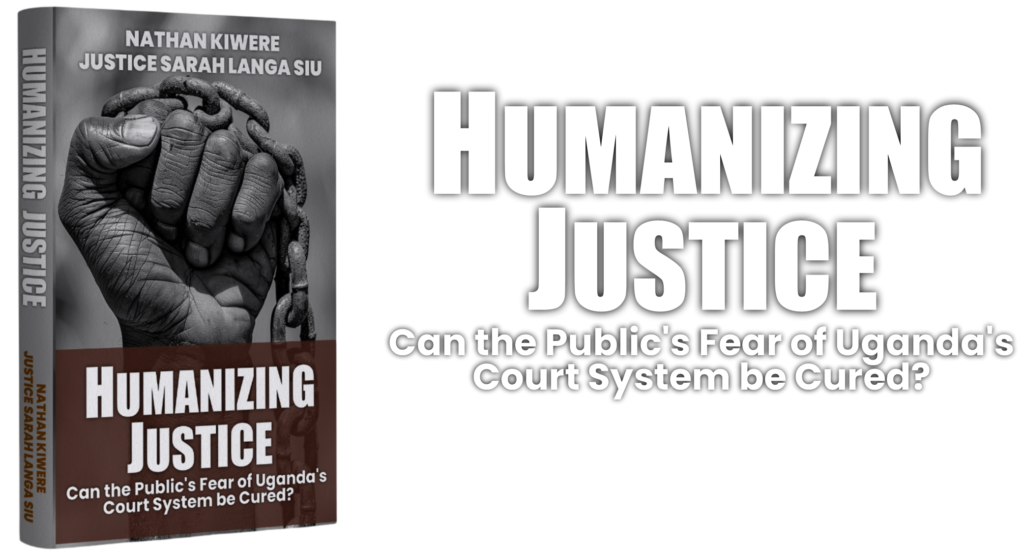
About the Book
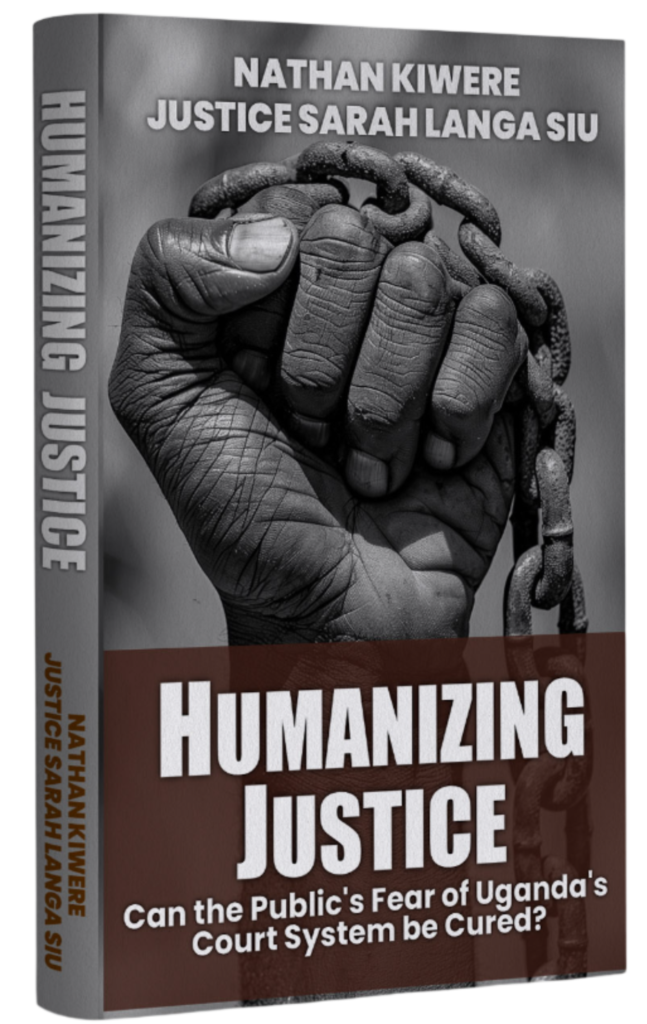
Humanizing Justice is a timely and thought-provoking exploration of the psychological, social, cultural, and institutional dynamics that have, over time, entrenched fear and mistrust of courts among ordinary Ugandans. Co-authored by a justice-sector insider with lived experience of the system and a public intellectual and thought leader who speaks from the standpoint of the citizen, the book brings together two complementary perspectives that are rarely in dialogue. Through this collaboration, Humanizing Justice demystifies court processes, clarifies the roles of judicial actors, and confronts deeply rooted misconceptions that portray courts as distant, hostile, or inaccessible. Beyond diagnosis, the book advances practical, context-sensitive pathways for reform, advocating for a justice system that is more humane, responsive, and centered on the people it is meant to serve. Reflective in tone yet firmly reform-oriented, it speaks to a wide audience that includes citizens, judicial officers, lawyers, students, civil society actors, academics, and policy makers.
Across Uganda, courts are often perceived not as spaces of protection and fairness, but as arenas of intimidation, delay, excessive cost, punishment, and alienation. For many citizens—especially the poor, the less educated, and those in rural communities—entering a courtroom is associated with fear, confusion, and a loss of dignity. This perception discourages people from seeking legal redress even when their rights have been violated, fuels reliance on informal or sometimes harmful alternatives to justice, erodes public confidence in the rule of law, and ultimately weakens social cohesion and democratic accountability.
The rationale behind Humanizing Justice is grounded in the conviction that justice systems can only function effectively when they are understood, trusted, and owned by the public. A system shrouded in mystery and fear cannot deliver meaningful justice. By documenting lived experiences from communities across Uganda and pairing them with informed judicial insight, the book seeks to uncover the structural and human factors that generate fear, silence, and exclusion. In doing so, it opens up an honest, solution-focused conversation between the courts and the people they serve—one aimed not at blame, but at mutual understanding, institutional reform, and the restoration of justice as a shared social value rather than a distant state ritual.