
By Nathan Kiwere
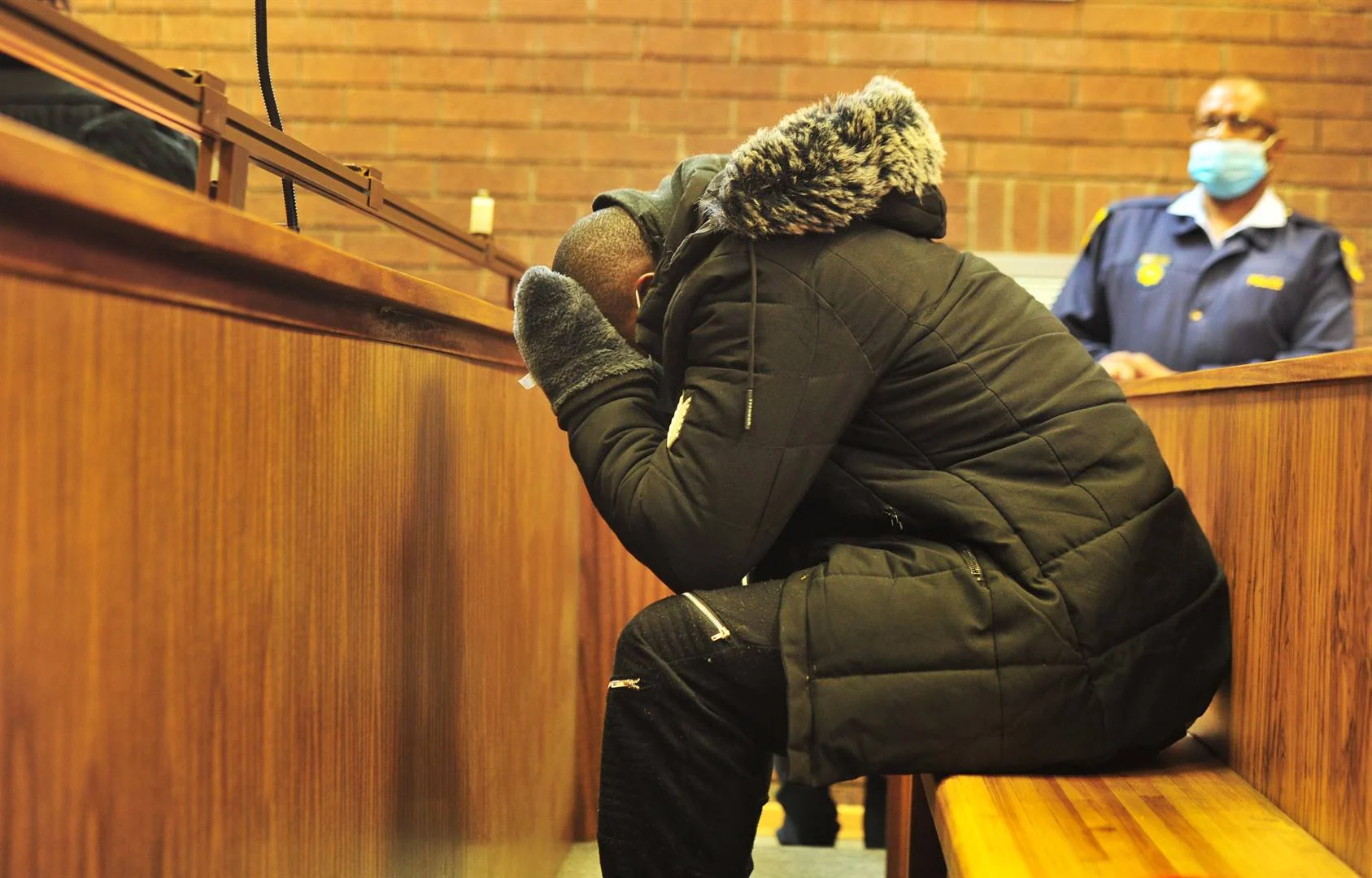
Justice is often described as blind, but from the dock—the place where the accused stands—justice is anything but invisible. It is seen, felt, feared, and judged. To the public, justice is a lived experience shaped by police encounters, crowded courtrooms, delayed rulings, and the human drama that unfolds daily before a magistrate or judge. To the law, however, justice is an ideal—carefully constructed through statutes, precedents, procedures, and principles meant to ensure fairness, consistency, and truth. The tension between these two perspectives—what the public sees and what the law intends—defines much of the mistrust and misunderstanding that surrounds our justice system today.
In Uganda, as in many jurisdictions, the courtroom is a theatre where law and life collide. The law enters dressed in robes, speaking Latin phrases and measured English; the public arrives with vernacular language, emotion, and expectation. When these worlds fail to meet, justice appears distant, technical, and at times indifferent.
An old African proverb says that the one who sleeps hungry dreams of food. From the dock, the accused dreams of freedom, dignity, and closure. From the gallery, the public dreams of accountability and deterrence. Yet the law dreams of something else entirely: due process. It dreams of proof beyond reasonable doubt, of admissible evidence, of rights that protect even the unpopular. This difference in dreams often breeds frustration.
Consider the common public complaint: “The suspect was arrested red-handed—why was he released?” To the ordinary citizen, justice seems obvious, almost arithmetic: crime plus arrest should equal punishment. But the law does not operate like a village council resolving a dispute under a mango tree. It demands procedure. Was the arrest lawful? Was the evidence properly obtained? Was the confession coerced? These questions may feel like unnecessary obstacles to justice, yet they exist to prevent a far greater injustice—the punishment of the innocent.
The justice system is like a hospital emergency room. A patient may arrive bleeding, and to the family watching, the solution seems simple: stop the bleeding immediately. But the doctor pauses to run tests, to check vitals, to diagnose. That pause can look like negligence, yet it is often the difference between healing and harm. Similarly, legal delays and technicalities, while painful to endure, are designed to protect the integrity of outcomes.
However, acknowledging the law’s intention does not excuse its failures. The public’s skepticism is not born in a vacuum. It is shaped by real experiences: suspects who spend years on remand for petty offences, files that “go missing,” adjournments that multiply like unpaid debts, and judgments delivered long after lives have been derailed. When justice delays become habitual, the law’s noble intentions begin to ring hollow.
I have sat in courtrooms where the accused arrives in worn-out clothes, escorted by armed guards, while complainants and lawyers converse freely. Before a word is spoken, the visual narrative is already written: guilt is implied by posture, poverty, and powerlessness. From the dock, justice can feel like a destination already decided, not a journey of inquiry. The law intends equality before the law; the public often sees inequality before the bench.
There is also the language of the law—precise, cautious, and often inaccessible. To a layperson, a judgment that runs for thirty pages but never mentions the pain of the victim or the hardship of the accused can feel cold. The public wants moral clarity; the law offers legal reasoning. One speaks to the heart, the other to the record. When judgments fail to bridge this gap, they risk being correct yet unconvincing.
The dock, therefore, becomes a powerful symbol. It is not just where the accused stands; it is where society places its doubts about justice itself. When the public repeatedly sees the powerful evade consequences while the powerless bear the full weight of the law, the intention of justice is overshadowed by the appearance of bias. Justice, like Caesar’s wife, must not only be virtuous but must be seen to be virtuous.
Yet reform cannot come from populism. Justice cannot be reduced to public applause or social media verdicts. The law must resist the temptation to please the crowd at the expense of principle. History is littered with examples where public opinion demanded blood, and the law’s restraint saved society from irreversible wrongs.
The way forward lies in narrowing the gap between intention and perception. Courts must communicate better, decide faster, and humanize their processes without sacrificing rigor. Legal actors must remember that every file represents a life interrupted. And the public must be willing to learn that justice is not vengeance, and fairness is not always loud.
Justice from the dock is a mirror held up to the legal system. What the public sees matters, because perception shapes legitimacy. What the law intends matters even more, because intention anchors civilization. When these two finally align, justice will no longer feel like a foreign language spoken in intimidating halls, but a shared value—understood, trusted, and lived by all.

Leave a Reply